The Ultimate Guide to Efficient Dumpster Loading
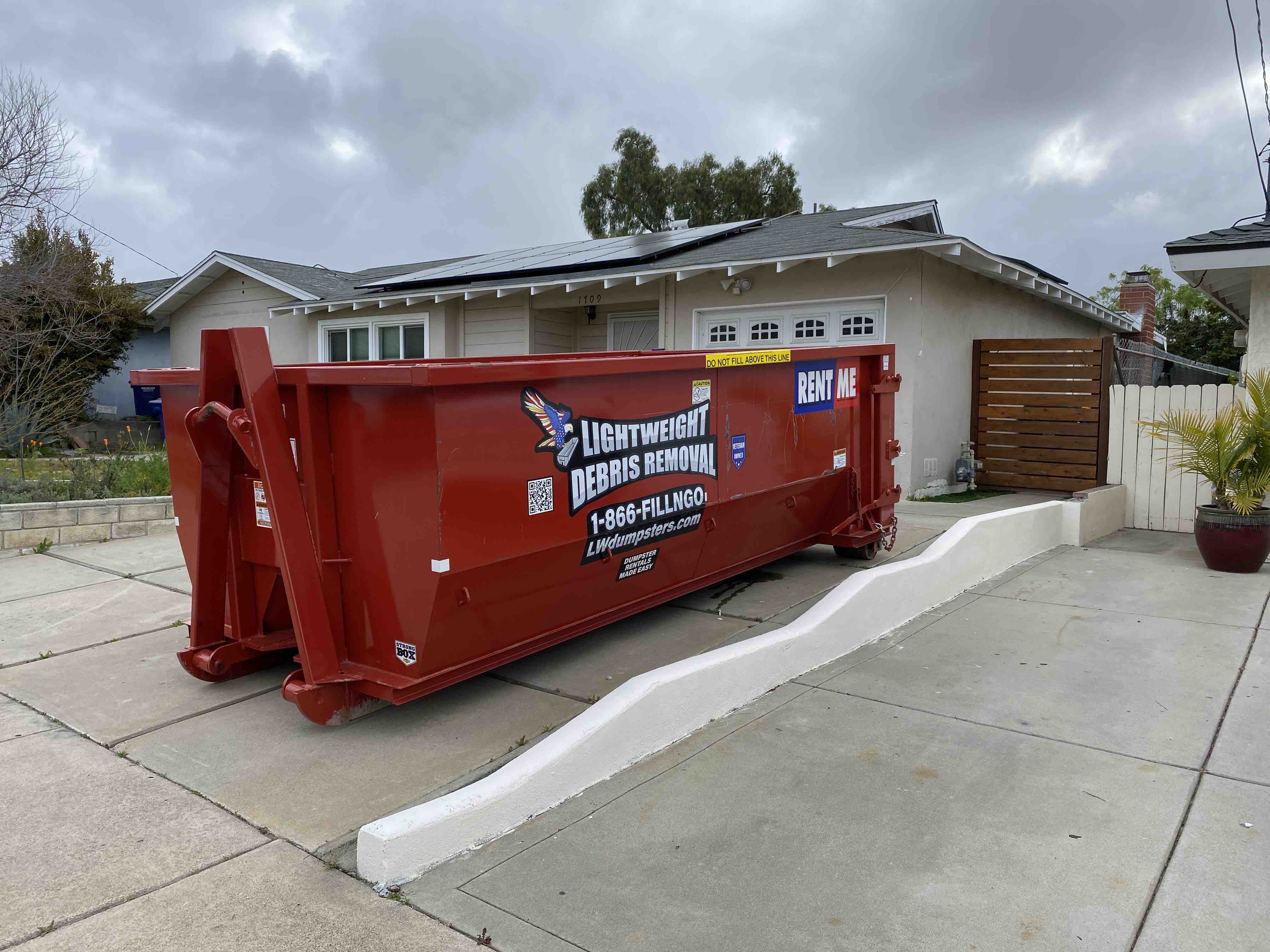
Whether tackling a renovation, cleanup, or building project, it may seem that loading a dumpster is straightforward. In reality, the placement of materials plays a key role in space use, job safety, and overall efficiency. Most people don’t realize how much strategy goes into correct dumpster loading, which can cause space loss, safety hazards, and unnecessary project delays.
At Lightweight Debris Removal, we highlight that the way you load a dumpster matters as much as picking the right size. By staying organized, you can make the most of your dumpster and keep operations safe and smooth. Our mission is to guide clients in getting maximum value from their dumpster rental through understanding correct loading methods that minimize clutter, avoid damage, and speed up cleanup.
Planning Before You Start Loading
Before filling the dumpster, taking time to organize is essential. Evaluate the debris you plan to throw away and separate recyclables or items needing careful handling. Pre-sorting creates efficiency and minimizes the hassle of re-sorting mid-process. It also makes handling safer by isolating hazardous or sharp materials.
Strategizing the loading sequence is equally vital. Start by positioning large, heavy pieces at the bottom for balance. Afterward, lighter materials can be layered on top to fill in spaces. Proper planning prevents uneven distribution and potential shifting during transport. This approach improves both safety and efficiency throughout the job.
Maximizing Dumpster Space
Effective space management is essential for optimal dumpster use. Disassemble big items—like cabinets or couches—before loading them. Flattening boxes, removing doors, and taking apart parts allows more capacity and prevents wasted space. This lets you load more effectively and maintain even weight distribution.
Another good method is layering your load properly. Lay heavy, flat items first to form a strong base. Then alternate with lighter items to fill gaps efficiently. Keep the load within the dumpster’s limits to ensure safe transport. Proper layering not only optimizes space but also enhances organization and safety.
Maintaining Safety During Loading
Safety should be at the forefront during every loading task. Always wear gloves, closed-toe shoes, and suitable protective clothing. Check the surrounding space for any obstructions or items that may cause falls. Being aware of your surroundings supports a safer environment for everyone involved.
Refrain from throwing objects into the dumpster carelessly, since this could result in shifting, accidents, or property harm. Instead, place objects deliberately and with control. For heavy items, always lift with help to stay safe. Prioritizing safety not only protects workers but keeps operations steady and efficient.
Organizing and Managing Waste Materials Effectively
Sorting your waste both before and during loading is a simple yet powerful way to stay organized. Keep comparable debris types—such as wood, metal, or general trash—segregated. Doing so not only streamlines the loading phase but also simplifies unloading and proper disposal. This organization helps identify recyclables and promotes environmentally conscious waste handling.
Proper organization eliminates the hassle of moving things around later. Position lighter, flexible materials toward the top layer and heavy ones beneath. This method prevents wind from scattering light materials and keeps the dumpster balanced. Being organized saves time and creates a smoother, more professional workflow from start to finish.
Protecting Your Property During Dumpster Use
Dumpsters are durable, but the property underneath may need protection. Placing wooden planks or similar barriers underneath distributes weight and prevents surface damage. This easy precaution helps maintain the integrity of your property during the project.
Placement also plays a crucial role in preventing property damage. Select a flat, accessible space that allows for smooth loading and avoids blocking driveways or walkways. Avoid positioning the dumpster too close to structures or landscaping features that could be damaged. Thoughtful setup ensures a smooth experience and minimizes potential property risks.
Maximizing Efficiency for Large Projects
Big projects tend to generate constant debris that needs proper management. Prepare a sorting zone to prearrange waste and make the loading phase smoother. It promotes even weight distribution and reduces inefficiencies mid-project.
Strong collaboration and clear direction make the process more effective. Assign crew members to specific duties such as sorting, lifting, or compacting debris. Clear roles prevent confusion and keep the process flowing efficiently. Planning and cooperation are vital for completing big projects without unnecessary setbacks.
Knowing What Not to Load
Not all waste materials belong in a standard dumpster, and knowing what’s restricted is vital. Items such as toxic waste, chemicals, and electronic devices need regulated disposal. Improper disposal can damage the environment and lead to regulatory issues. Verify acceptable items beforehand to avoid penalties or issues.
Avoid exceeding the dumpster’s weight or fill limit to prevent safety risks. Overflowing containers lead to instability and may require extra handling. By following proper load limits, you support responsible waste management. Awareness of limits helps avoid issues during collection and hauling.
Choosing a Dependable Dumpster Rental Partner
Partnering with a trustworthy service improves your overall project results. Lightweight Debris Removal delivers dependable and professional dumpster solutions to simplify cleanup for any project. From drop-off to more info collection, our team ensures a seamless and worry-free rental experience.
Choosing a service dedicated to client satisfaction ensures smoother operations. Clear communication, reliability, and efficiency are what make a project succeed. Lightweight Debris Removal continues to prioritize safety, organization, and customer satisfaction in every rental experience.
Building a Well-Structured and Productive Work Area
The way you load your dumpster can significantly affect project performance. Keeping order at the site minimizes distractions and enhances coordination. Through planning and efficient methods, you’ll complete jobs faster and cleaner.
Lightweight Debris Removal inspires users to view dumpster loading as an opportunity for improvement. It provides an opportunity to improve safety, efficiency, and environmental care. With proper organization, attention to detail, and dependable support, efficient loading becomes key to project success.